
Updated for 2026 – Trek routes, permits, timings, and travel tips refreshed
Explore Valley of Flowers National Park
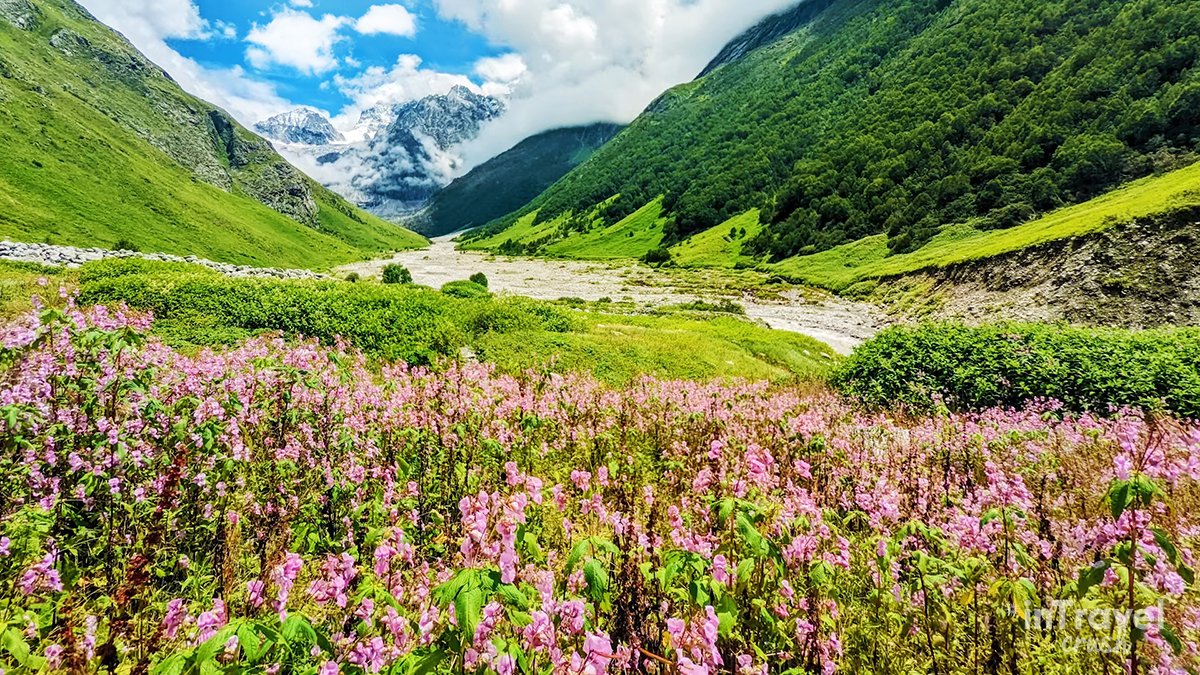
Hidden deep within the Garhwal Himalayas of Uttarakhand, Valley of Flowers National Park is a breathtaking alpine wonderland that seems straight out of a fairy tale. Famous for its vast meadows blanketed with over 500 species of vibrant wildflowers, rare Himalayan flora, and snow-capped peaks, the valley transforms every monsoon into a kaleidoscope of colors. Recognized as a UNESCO World Heritage Site, this mystical valley attracts trekkers, nature lovers, photographers, and botanists from across the globe who wish to witness its untouched natural splendor.
This Valley of Flowers trek guide is updated for the 2026 season with the latest travel routes, permit details, and trekking tips.
Visiting the Valley of Flowers isn’t just about seeing flowers — it’s an experience that combines natural beauty, adventure, mythology, and the serene spirituality of the Himalayas. Whether you’re an avid trekker or a curious traveler, this guide will help you plan a perfect trip.
History & Mythology – Valley of Flowers
The history of Valley of Flowers is as captivating as its landscape. Locally known as Phoolon Ki Ghati, the valley was known to locals for centuries, shrouded in myths and spiritual significance. It was believed to be inhabited by fairies, and legends say it was the place where Hanuman collected Sanjeevani Booti (a magical herb) to revive Lakshman during the epic Ramayana.
In modern times, the valley was rediscovered in 1931 by British mountaineer Frank S. Smythe and his team while returning from a successful Mount Kamet expedition. Enchanted by the vast carpet of wildflowers, Smythe later wrote the famous book “The Valley of Flowers“, which brought global attention to this Himalayan marvel.
A deeply poignant chapter in the valley’s history belongs to Joan Margaret Legge. In 1939, this young English botanist and explorer, sent by the Royal Botanic Gardens, Kew, visited the Valley of Flowers to study and collect rare Himalayan plants. Tragically, while collecting samples on a steep rocky slope, Joan slipped and fell to her death, forever becoming a part of the valley she loved so dearly. Today, a small grave and memorial stone, nestled quietly among the flowers, stands as a tribute to her passion and sacrifice. Her story adds a deeply human layer to the valley’s legacy, reminding us of the devotion and risks taken by early explorers and botanists.
Recognizing its ecological and cultural significance, Valley of Flowers was declared a national park in 1982, and later inscribed as a UNESCO World Heritage Site in 2005.
Enjoy the beauty of nature, think before you trash it.
प्रकृति की सुंदरता का आनंद लें, इसे कूड़ा करकट, नष्ट करने से पहले सोचें।
Trek Overview
Here’s everything you need to know before planning your Valley of Flowers trail — from location and route details to best visiting time and key highlights.
- Location: Chamoli district, Uttarakhand, India – part of the Nanda Devi Biosphere Reserve
- Starting Point: Govindghat, near Joshimath on the Badrinath Highway
- Base Camp: Ghangaria – shared base for both Valley of Flowers and Hemkund Sahib trek
Many trekkers combine this journey with the sacred Hemkund Sahib trek, which starts from the same base camp and offers a spiritually enriching experience.
- Altitude: Around 3,600 meters (11,800 ft) at the valley
- Total Trek Distance: Approx. 17 km one way (13 km to Ghangaria + 4 km to the valley entrance)
- Trek Duration: 4 to 5 days (including travel and exploration)
- Trek Difficulty: Easy to moderate – suitable for beginners and nature lovers
- Best Time to Visit: July to September – when the valley is in full bloom
- Major Attractions: Colorful alpine flowers, snow-clad Himalayan peaks, waterfalls, and pristine mountain streams
- How to Reach: Drive from Rishikesh or Haridwar to Govindghat, then trek to Ghangaria and onward to the valley
- Significance: A UNESCO World Heritage Site known for its rare Himalayan flora and peaceful natural beauty
- Experience: A vibrant blend of adventure and serenity — the Valley of Flowers trek is one of the most beautiful monsoon treks in India
As of 2026, Valley of Flowers permits are issued at Ghangaria and are valid for 3 consecutive days. Rules may change seasonally, so always confirm locally.
Location & How to Reach the Valley of Flowers
Valley of Flowers is located in Chamoli district of Uttarakhand, in the beautiful Garhwal Himalayas. It is part of the Nanda Devi Biosphere Reserve and covers an area of about 87.5 square kilometers. The valley is at a height of around 3,658 meters above sea level and is famous for its colorful flowers, green meadows, and stunning mountain views.
How to Reach:
Nearest Airport:
- Jolly Grant Airport, Dehradun – approx 290 km from Govindghat (the trek starting point)
- From the airport, hire a taxi or take a bus to Rishikesh/Haridwar, then continue to Govindghat.
Nearest Railway Station:
- Rishikesh Railway Station – approx 270 km from Govindghat.
- Rishikesh is well connected to Haridwar (25 km), Dehradun (45 km), and Delhi (260 km).
Road connectivity:
From Delhi (~520 km to Govindghat)
- Take an overnight bus/train to Rishikesh or Haridwar.
- Then hire a taxi/shared jeep or take a bus to Govindghat via Devprayag – Srinagar – Rudraprayag – Karnaprayag – Joshimath.
- Total travel time: approx 12–14 hours by road.
- Direct buses to Joshimath (near Govindghat) are available from Delhi’s ISBT Kashmere Gate (during season).
From Rishikesh (~270 km to Govindghat)
- Daily buses and shared jeeps run early morning towards Joshimath/Govindghat.
- By taxi: approx 9–10 hours.
- Scenic route via Devprayag, Rudraprayag, Karnaprayag.
From Dehradun (~300 km to Govindghat)
- Drive or taxi via Rishikesh → Devprayag → Rudraprayag → Karnaprayag → Joshimath → Govindghat.
- Approx 10–11 hours by road.
- Dehradun has the nearest airport (Jolly Grant) for air travelers.
Bus & Taxi Connectivity:
- Buses by GMOU and UTC (Uttarakhand Transport Corporation) run between Haridwar, Rishikesh, and Joshimath.
- Shared jeeps and private taxis available from Rishikesh, Haridwar, and Dehradun to Govindghat.
- During peak season (June–August), book tickets or taxis in advance.
To reach the Valley of Flowers, the journey typically begins from Joshimath, a popular town and transit point in Garhwal and close to Auli, a famous skiing destination in Uttarakhand.
Best Time to Visit (2026)
- Mid-July to late August for peak bloom – peak blooming season when the valley is at its colorful best.
- July–September overall trekking season
Accommodation Options for Valley of Flowers Trek
Finding a comfortable place to stay during the Valley of Flowers journey is easy, as there are good options available at Joshimath, Govindghat, and Ghangaria — the key stops along the route.
- Joshimath:
The main town and best stop before your trek. You’ll find budget to mid-range hotels, GMVN rest houses, and local homestays. It’s ideal for acclimatizing and preparing before heading to Govindghat.
- Govindghat:
The starting point of the Phoolon Ki Ghati trek. Offers simple lodges, dharamshalas, and Gurudwara accommodations with basic facilities. The Govindghat Gurudwara also provides free community stays and langar meals.
- Ghangaria:
The base camp for both Valley of Flowers and Hemkund Sahib. You’ll find small hotels, GMVN rest houses, guesthouses, and tents open from June to October. Most rooms are basic but clean, with simple food and warm blankets available.
Note: There are no accommodations inside the Valley of Flowers National Park — all visitors must return to Ghangaria the same day.
Tip: Book your stay in advance during July to September, the peak blooming season, and carry some cash as digital payments are unreliable in higher areas.
Your Day-by-Day Plan for Valley of Flowers Trek
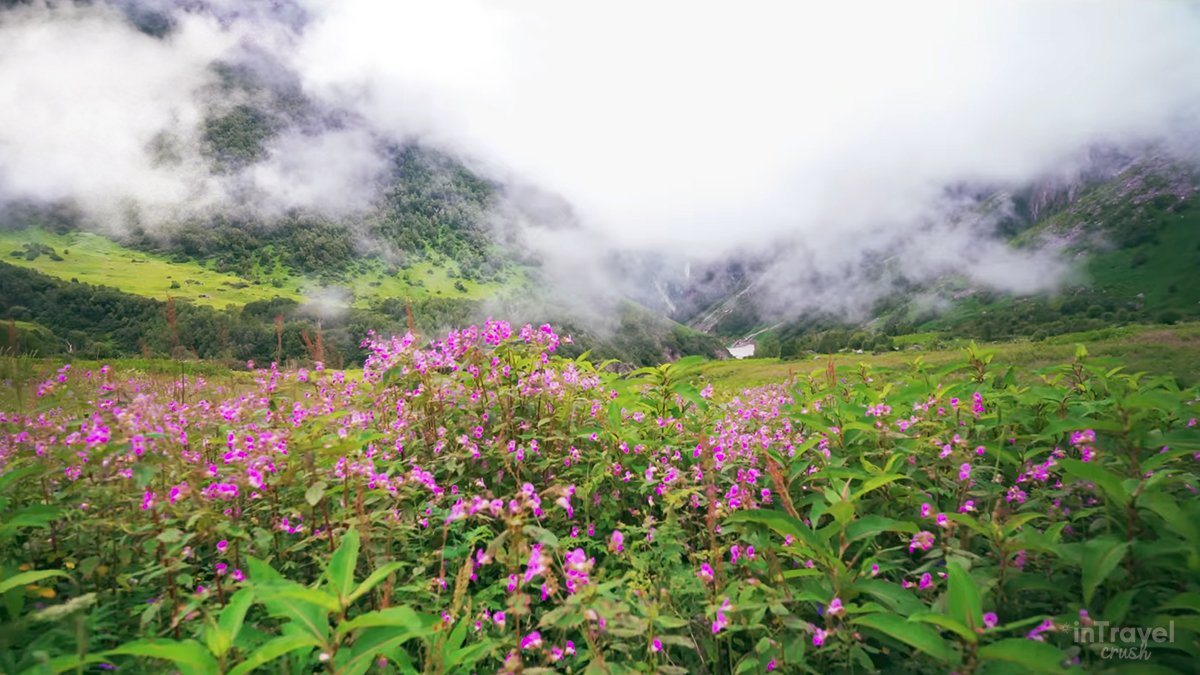
The Valley of Flowers National Park trek takes you through colorful alpine meadows, snow-clad peaks, and peaceful Himalayan villages. Here’s a complete 4–5 day plan to help you explore this UNESCO World Heritage Site with ease.
Day 1 – Rishikesh / Haridwar to Joshimath (280 km drive)
Start early morning from Rishikesh or Haridwar. The drive follows the scenic Alaknanda River, passing through Devprayag, Rudraprayag, and Karnaprayag — the holy confluences of Uttarakhand.
You’ll reach Joshimath by evening, a pleasant hill town that serves as the base for many Himalayan treks, including Valley of Flowers and Hemkund Sahib. Overnight stay in Joshimath.
Day 2 – Joshimath to Govindghat (22 km drive) → Trek to Ghangaria (13 km)
Drive from Joshimath to Govindghat, the official starting point of the Valley of Flowers journey. From Govindghat, either walk or take a short jeep ride to Pulna village (4 km) where the real trek begins.
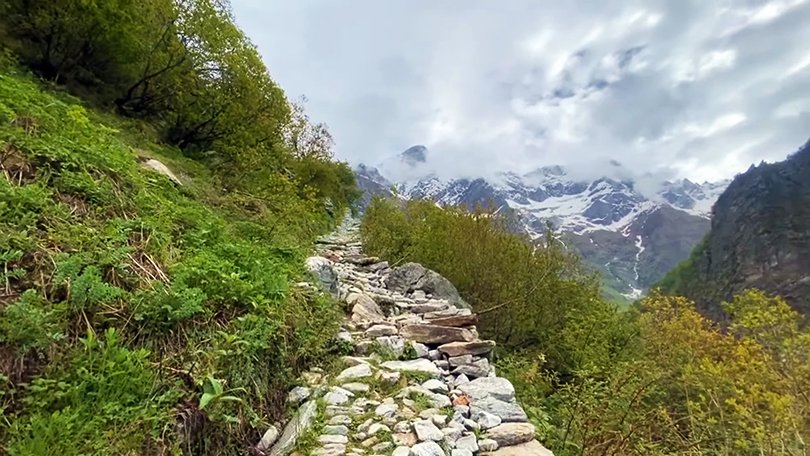
The 13 km trail to Ghangaria passes through pine forests, small waterfalls, and local dhabas serving tea and snacks. You’ll reach Ghangaria (3,050 m) by afternoon — a quiet village surrounded by mountains and meadows. Stay overnight at Ghangaria.
Day 3 – Ghangaria to Valley of Flowers (4 km trek one way)
Start early morning for the highlight of your journey — the Valley of Flowers National Park. After obtaining your entry permit at the check post near Ghangaria, walk 4 km to reach the valley entrance.
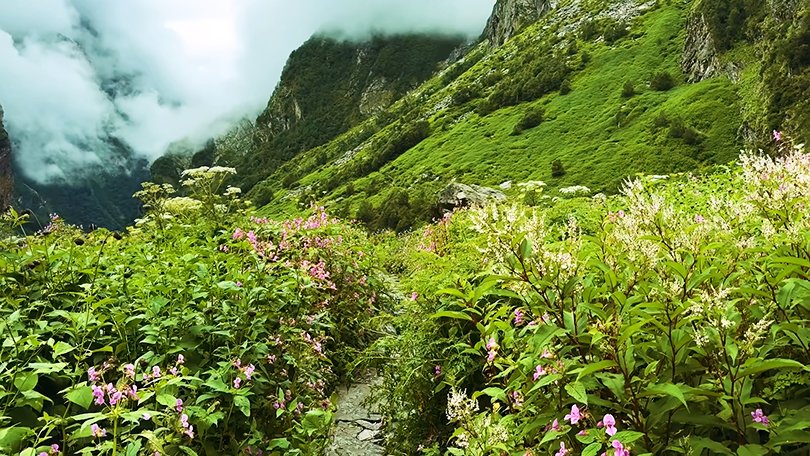
The sight ahead is unforgettable — vast meadows covered with colorful wildflowers like Brahma Kamal, Blue Poppy, and Himalayan Bellflower, with misty peaks in the background. Spend a few hours exploring, taking photographs, and soaking in nature’s beauty before returning to Ghangaria by evening.
Day 4 – Optional Visit to Hemkund Sahib or Leisure Day at Ghangaria
If time allows, you can dedicate this day to visiting Hemkund Sahib, located just 6 km uphill from Ghangaria. It’s a spiritually enriching experience and pairs perfectly with your Phoolon Ki Ghati trek.
Alternatively, you can spend a relaxed day in Ghangaria, enjoying nature walks, photography, and local food before your return journey.
Day 5 – Ghangaria to Govindghat (13 km trek) → Drive to Joshimath or Rishikesh
Trek back from Ghangaria to Govindghat and continue your drive to Joshimath or directly towards Rishikesh if time permits. The return route offers stunning mountain views and peaceful riverside stretches — a perfect way to end your Himalayan journey.
Trekking Essentials & Travel Tips for Valley of Flowers Trek
Proper planning makes your Valley of Flowers journey comfortable, safe, and enjoyable. Here’s a list of what to pack and a few essential tips before you begin your journey.
Trekking Essentials
- Trekking Shoes: Wear sturdy, waterproof trekking shoes with good grip — the trail can be wet and slippery during the monsoon.
- Backpack (40–50 L): Carry a lightweight, waterproof backpack to store essentials comfortably during your trek.
- Warm & Layered Clothing: Even in summer, mornings and evenings can be cold. Pack a fleece jacket, thermals, gloves, and a windproof jacket.
- Rain Gear: The Valley of Flowers trek is best done during monsoon months, so a poncho or raincoat is a must.
- Sun Protection: Keep sunglasses, sunscreen, and a cap to protect yourself from UV rays at high altitude.
- First Aid & Medicines: Carry your personal medicines, basic first aid items, and something for motion or altitude sickness (though altitude is moderate here).
- Reusable Water Bottle: Stay hydrated and refill from clean mountain streams or at Ghangaria. Avoid plastic bottles.
- Power Bank & Flashlight: Electricity is limited in Ghangaria, so a power bank and torch are useful for evenings.
- ID Proof & Permits: Entry permits for the Valley of Flowers National Park are issued at the check post near Ghangaria. Keep your ID handy.
Travel Tips for Valley of Flowers Trek
- Start Early: Begin your trek to the valley early in the morning for clear weather and soft sunlight. The park closes by 5:00 PM.
- Food Availability: Only small dhabas and stalls are available till Ghangaria. Carry light snacks and energy bars while trekking.
- Stay at Ghangaria: The valley has no accommodation inside; you must return to Ghangaria for the night. Book in advance during July–September.
- Be Eco-Friendly: The valley is a protected UNESCO site — avoid littering and carry your trash back. Plastic is strictly prohibited.
- Best Time for Flowers: Visit between mid-July and late August when the valley is fully covered in colorful blooms.
- Photography Tip: Early morning light and post-rain freshness make the valley look magical — carry a waterproof cover for your camera or phone.
Interesting Facts: The Valley of Flowers
- Home to more than 500 species of wildflowers, many of them rare or endangered.
- Located at an altitude of 3,500 meters (approx. 11,500 ft) above sea level.
- Spread over an area of 87.50 sq km in Chamoli district, Uttarakhand.
- Valley is snow-covered from October to June; flowers bloom only from July to early September.
- Nearby lies the sacred Hemkund Sahib, a revered Sikh pilgrimage site.
- You might spot rare animals like the Asiatic black bear, blue sheep, snow leopard, and musk deer.
Nearby Places to Visit Around Valley of Flowers
- Hemkund Sahib (14,100 ft): Sacred Sikh shrine with a beautiful glacial lake; trek of about 6 km from Ghangaria.
- Badrinath Dham Temple: One of the Char Dham temples, about 25 km from Govindghat.
- Auli: Popular skiing destination near Joshimath.
Note: For full info of Hemkund Sahib Trek visit https://intravelcrush.co.in/hemkund-sahib-trek-complete-travel-guide/#more-4462
Final Thoughts – A Journey Painted by Nature
The Valley of Flowers trek is one of the most magical experiences in the Himalayas — a walk through meadows that seem painted by nature itself. Every step reveals new colors, rare flowers, and mountain views that fill the heart with peace. It’s a place where silence speaks through the rustling breeze and the beauty feels endless.
Whether you’re an adventurer, photographer, or simply someone who loves nature, the Valley of Flowers offers an experience unlike any other. If you enjoy peaceful hill destinations with nature and views, you may also like Ranikhet, known for its calm cantonment roads and Himalayan scenery. The vibrant landscapes, soothing sounds of streams, and refreshing mountain air make it a perfect escape from the busy world.
A journey to this valley is not just a trek — it’s a reminder of how pure and beautiful the world can be. When you walk through these Himalayan meadows, you don’t just see flowers; you feel the calmness of nature and the joy of being truly alive.
FAQ
Where exactly is Valley of Flowers located?
Valley of Flowers is in Chamoli district, Uttarakhand, near Joshimath and Hemkund Sahib, at about 3,500 meters altitude.
When is the best time to visit Valley of Flowers?
The best time is mid-July to mid-August for peak flower bloom; the park stays open from June to early October.
Is Valley of Flowers open in June 2026?
No — the Valley of Flowers usually opens in early June, but peak accessibility and blooms are from mid-June to September. Check local permit updates before planning.
Can beginners do the Valley of Flowers trek without a guide?
Yes — the trek is easy to moderate and many beginners do it without a guide, but having one can make navigation and permit help easier, especially during monsoon season.
How long is the Valley of Flowers trek, and is it difficult?
The total trek is about 14–16 km (one way). It is easy to moderate and suitable for beginners with basic fitness.
Can I stay overnight inside Valley of Flowers?
No, overnight stay is not allowed inside the park. Visitors must return to Ghangaria the same day.
Is a permit required to enter Valley of Flowers?
Yes, an entry permit is required and is issued at Ghangaria, usually valid for 3 days.
What kind of flowers and wildlife can I see there?
You can see 500+ species of wildflowers and wildlife like musk deer, blue sheep, and black bears.
Can I visit Hemkund Sahib and Valley of Flowers on the same day?
It’s possible but not recommended, as both treks are long and tiring. Plan separate days.
How to reach Valley of Flowers from Rishikesh or Haridwar?
Travel by road to Govindghat, then drive to Pulna and trek to Ghangaria before visiting the valley.
Are there mobile networks and ATMs near Valley of Flowers?
Mobile networks are very limited, and ATMs are scarce beyond Govindghat—carry cash in advance.
Is Valley of Flowers suitable for solo travelers or families?
Yes, it is safe and suitable for solo travelers, families, and first-time trekkers with proper preparation.
3 thoughts on “Valley of Flowers Trek (2026): Complete Travel Guide, Best Time, Route & Tips | फूलों की घाटी”
Comments are closed.