
Updated January 2026 – Permit rules, trek route, camping guidelines & safety tips refreshed
Gaumukh Tapovan Trek Guide: Beginning the Himalayan Journey
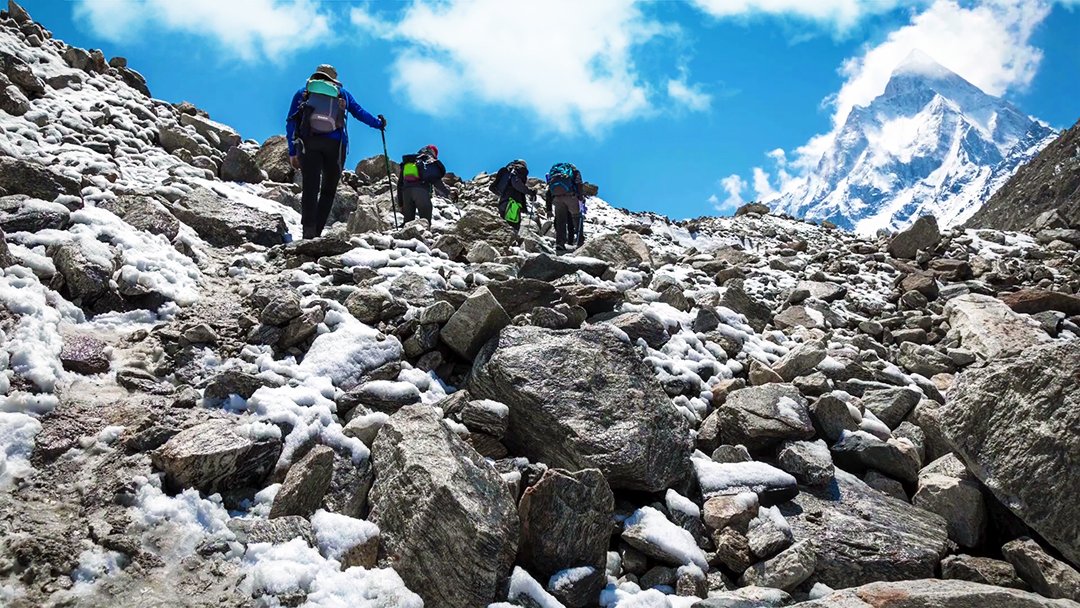
The Gaumukh Tapovan trek guide takes you on one of India’s most inspiring journeys — a trail that blends spirituality, adventure, and the raw beauty of the Himalayas. It’s more than a trek; it’s a walk into the birthplace of the holy River Ganga, through landscapes that change from pine forests to glaciers and finally to the vast meadows of Tapovan under the shadow of Mount Shivling.
Located in Uttarkashi district of Uttarakhand, this trek begins from the sacred town of Gangotri, one of the Char Dham pilgrimage sites. The entire route lies within the Gangotri National Park, a protected area rich in alpine flora and rare wildlife. With an elevation ranging from about 3,000 meters at Gangotri to nearly 4,500 meters at Tapovan, trekkers experience the thrill of high-altitude adventure combined with deep spiritual calm.
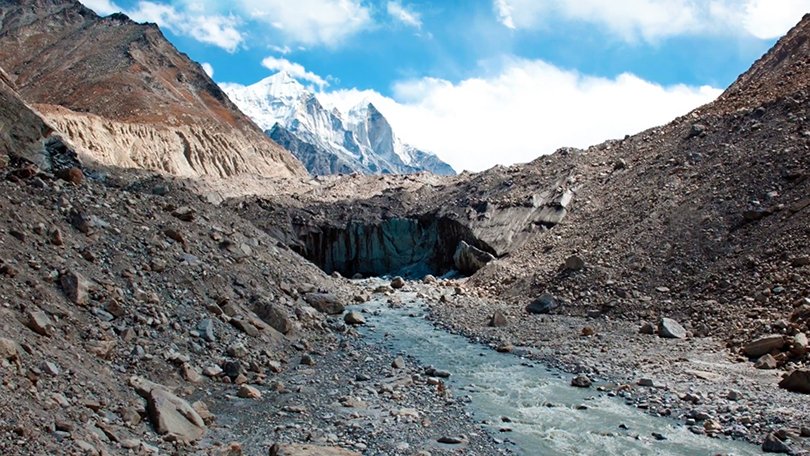
The word “Gaumukh” literally means cow’s mouth in Hindi. It refers to the snout of the Gangotri Glacier, shaped like the mouth of a cow, from where the River Bhagirathi — the main tributary of the Ganga — emerges. For centuries, saints and pilgrims have considered Gaumukh the most sacred point where the Ganga takes birth, symbolizing purity, life, and divine energy.
Just above Gaumukh lies Tapovan, which means the forest of penance. Ancient sages believed this high-altitude meadow to be a place of deep meditation and spiritual practice. Even today, you may find ascetics living in simple caves or tents here, meditating in front of the mighty peaks. Tapovan is also one of the most scenic spots in the Indian Himalayas, surrounded by towering mountains and sweeping glacier views.
Dominating the skyline is the majestic Mount Shivling, rising to an elevation of 6,543 meters. Its perfectly symmetrical shape resembles a Shivling — a symbol of Lord Shiva — giving the mountain its name. Trekkers often describe the first glimpse of Shivling from Tapovan as a spiritual moment, a sight that combines both awe and peace. It’s not just a mountain; it’s an icon of faith and beauty.
Historically, this region has been part of ancient pilgrimage routes. Saints, yogis, and explorers like Swami Tapovan Maharaj and Pandit Nain Singh Rawat have walked these trails long before modern trekking began. Today, the Gaumukh Tapovan trek attracts not only devotees but also adventurers who wish to witness the source of the Ganga and feel the timeless Himalayan spirit.
In this Gaumukh–Tapovan trek, you’ll find everything you need to plan your journey — from the route and day-wise itinerary to the best time to visit, permits, altitude details, and practical trekking tips. Whether you’re seeking spiritual peace or high-mountain adventure, this trek offers both in perfect harmony.
Enjoy the beauty of nature, think before you trash it.
प्रकृति की सुंदरता का आनंद लें, इसे कूड़ा करकट, नष्ट करने से पहले सोचें।
Gaumukh–Tapovan Trek Overview
Looking for a quick summary before diving deep into this Himalayan journey? Here’s an easy-to-scan overview:
- Trek Starting Point: Gangotri (Uttarkashi district, Uttarakhand)
- Highest Point: Tapovan at approx. 4,463 meters (14,640 ft)
- Trek Distance: Around 46 km (round trip)
- Trek Duration: 5 to 7 days depending on pace and acclimatization
- Difficulty Level: Moderate to Challenging – suitable for fit beginners with preparation
- Trek Route Highlights: Gangotri → Chirbasa → Bhojwasa → Gaumukh (Source of River Ganga) → Tapovan
- Main Attractions: Gaumukh Glacier, Shivling Peak (6,543 m), Bhagirathi Peaks, vast meadows of Tapovan, sunrise & clear night skies
- Best Time to Visit: May–June and September–October
- Type of Trek: Glacier trek with camping – no hotels beyond Bhojwasa
- Permits Required: Forest Department & SDM (details explained further in the guide)
- Ideal For: Adventure seekers, spiritual trekkers, photographers, nature lovers
Permits & Entry Requirements for Gaumukh Tapovan Trek – Easy Guide
This trek passes through Gangotri National Park, a protected area in Uttarakhand. To regulate visitor numbers, protect fragile ecozones, and ensure safety, the forest / park department mandates that all trekkers obtain a park/forest permit before entering.
Where to Get the Permit?
You can obtain the Gaumukh – Tapovan trek permit in two ways:
Online: You can apply online through the official Uttarakhand Forest / Tourism portal (availability and process may change yearly)
Offline: You can apply in person at the
- Forest Office in Gangotri or
- District office in Uttarkashi
It’s always safer to apply a few days in advance, especially during peak season (May–June & September–October).
Mandatory Documents You Must Carry
Keep photocopy and digital backups of all documents:
- Government Photo ID – Aadhaar / Passport / Driving License
- Medical Fitness Certificate – To prove you’re fit for high-altitude trekking
- Trek Insurance – Covers rescue or emergencies
- Passport & Visa (for foreign trekkers)
- Passport-size Photos – Sometimes needed at forest counters
Is a Guide Compulsory?
Yes, according to the rules and guidelines, and Gaumukh – Tapovan trek is moderately difficult, A registered local guide is strongly recommended and often required by forest authorities, especially for Tapovan ascent. They charge some fee for this permission. For online permission you have to go any agency.
- You can hire one at Gangotri or Uttarkashi
- Guides usually handle formalities and route navigation
- Their charges range between ₹1500 – ₹2500 per day, depending on the season.
Entry Rules You Must Follow
- Only a limited number of trekkers are allowed daily (around 150 permits).
- Camping is allowed only in designated areas like Chirbasa, Bhojbasa & Tapovan.
- Trekking beyond Tapovan or Nandanvan may need extra permission.
- Littering or plastic dumping is strictly banned — carry your waste back.
- Forest guards may check permits at multiple points, so keep them handy.
Quick Tips to Avoid Permit Hassles
- Apply at least 1–2 days early
- Always travel with a registered local guide / agency to help with formalities and coordination.
- If going in peak season, book your guide + permit together
- Keep multiple photocopies of all documents
- Start early in the morning — forest gates often close after 2 PM
- Confirm weather and trail status before final payment
- Double-check annual updates or notices from Uttarakhand Forest Department or Uttarkashi district (permit rules change).
- Confirm permit status a day before your trek start to avoid surprises.
Best Time to Visit Gaumukh Tapovan Trek
Choosing the right season is one of the most important parts of this Himalayan journey. Since the trail lies in a high-altitude glacier zone, the weather can change quickly — and the route stays closed during winter and monsoon for safety reasons.
You can do this trek in two main windows:
Summer Season (May to June):
- Clear and accessible after winter snow melts
- Blooming wildflowers and flowing streams
- Great visibility of Shivling Peak and Bhagirathi range
- Ideal for photography and first-time trekkers
This is the most popular time, so expect more trekkers and slightly higher rates for guides and stays.
Post-Monsoon Season (Mid-September to October):
- Dry and stable after rains
- Crystal-clear skies and stunning sunrise views
- Less crowded compared to summer
- Perfect for those who love peace and silence
However, nights get colder, especially at Tapovan, so carry proper winter layers.
Major Highlights of the Gaumukh–Tapovan Trek
If you’re still wondering what makes this journey so iconic, here are the top experiences that set the Gaumukh Tapovan trek apart from other Himalayan routes:
- Visit the Source of River Ganga — Stand face-to-face with the Gaumukh Glacier, the sacred point where the Ganga originates.
- Witness Majestic Shivling Peak (6,543 m) — Known as the Matterhorn of India, this towering peak dominates the skyline from Tapovan.
- Panoramic Views of Bhagirathi Peaks, Meru & Sudarshan — A 360° Himalayan amphitheater right from your campsite.
- Unmatched Camping at Tapovan Meadows — Pitch your tent on lush high-altitude alpine grasslands surrounded by snow peaks.
- Golden Sunrise & Starry Nights — Watch first light strike Shivling Peak and gaze at a crystal-clear Milky Way at night.
- Meet Sadhus & Spiritual Seekers — Tapovan is not just a trekking spot but also a meditation retreat for sages and yogis.
- Walk Along the Bhagirathi River — Trek beside pure glacier-fed streams that stay with you throughout the route.
- Experience a Mix of Adventure & Spirituality — The Gaumukh Tapovan trek guide is perfect for those seeking both thrill and inner peace.
- Wildlife and Himalayan Flora — Spot blue sheep (Bharal), Himalayan ibex, snow pigeons, and rare mountain herbs.
- Glacier Crossing & Rocky Trails — The route offers a real Himalayan expedition feel without technical climbing.
How to Reach Gangotri Dham – Starting Point of Gaumukh Tapovan Trek
By Air:
- The nearest airport is Jolly Grant Airport, Dehradun (about 270 km from Gangotri).
- Taxis and buses are easily available from the airport to Uttarkashi and further to Gangotri.
By Train:
- The nearest railway stations are Rishikesh (260 km) and Haridwar (280 km). From there, you can continue the journey by road.
By Road:
- Rishikesh = 260 km
- Haridwar = 280 km
- Dehradun = 250 km
- Delhi = 500 km
Gangotri Dham is well connected by motorable roads. Regular buses and taxis are available from Haridwar, Rishikesh, Dehradun, and Uttarkashi.
Travel Route (By Road):
Rishikesh / Haridwar / Dehradun → Narendra Nagar → Chamba → Dharasu Bend → Uttarkashi → Harsil → Gangotri
Safety Guide & Packing List for Gaumukh Tapovan Trek
A successful Gaumukh glacier trek experience depends not only on stamina but also on proper preparation. Here’s a practical safety checklist and packing list to help you trek confidently.
Trek Tips & Safety Advice
- Start early every morning to avoid bad weather in the afternoon.
- Mobile network works only for about 1 km beyond Gangotri — after that, no signal on the trail, so inform family beforehand.
- No ATMs available beyond Gangotri — carry enough cash for your entire journey.
- Use trekking poles for better balance on glacier and moraine sections.
- Never trek alone beyond Bhojwasa — hire a guide for the Tapovan ascent.
- Don’t go too close to the Gaumukh glacier snout, as rocks can be slippery and unstable.
- Walk at a steady pace, take short breaks, and avoid overexertion.
- Stay hydrated but drink small sips frequently, not all at once.
- Listen to your body — headache or nausea may indicate altitude sickness.
- Avoid trekking during monsoon due to landslides and glacier melt
- Carry waste back down – respect the fragile ecosystem
What to Pack for the Trek
Clothing & Personal Gear:
- Layered thermal wear & fleece jackets
- Waterproof windcheater / down jacket
- Trek pants and quick-dry full-sleeve t-shirts
- Woolen gloves, warm cap, neck gaiter
- Good trekking shoes with grip + extra socks
- Polarized sunglasses (must for snow glare near Gaumukh & Tapovan)
- Rain poncho or waterproof backpack cover
Camping & Accessories:
- Trekking pole / walking stick
- Headlamp or torch with spare batteries
- Sleeping bag (suitable for -10°C) if camping independently
- Backpack (50–60L) + small day pack
- Lightweight tent (if camping independently)
Food & Hydration:
- Two refillable water bottles or hydration bladder
- Dry snacks — energy bars, jaggery, chikki, dry fruits, ORS, glucose powder
Documents & Essentials:
- Trek permits, ID proof, medical certificate (if required)
- Portable power bank (since no electricity available after Gangotri)
- Sufficient cash — as no ATMs on the trek route
Medical & Emergency Kit:
- First aid kit with medicines for fever, cold, headache, stomach issues
- Altitude sickness tablet (only if prescribed by doctor)
- Bandages, crepe roll, antiseptic cream, blister prevention tape
Toiletries & Skin Care:
- Sunscreen (SPF 50+), lip balm, moisturizer, wet wipes, toilet paper
Day-by-Day Gaumukh Tapovan Trek Route Plan
The Gaumukh–Tapovan route becomes much easier to follow when broken down day-wise. Here’s a realistic and comfortable itinerary followed by most trekkers:
Day 1: Arrival at Gangotri Dham (3,048 m)/ गंगोत्री धाम
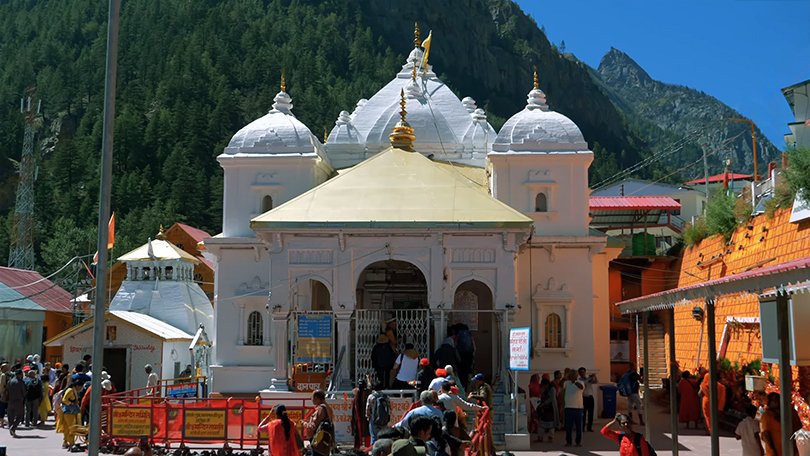
- Reach Gangotri by road from Dehradun / Rishikesh / Uttarkashi
- Visit Gangotri Temple and attend the evening Ganga Aarti
- Stay overnight in GMVN rest house / guesthouse / dharamshala
- Important: Complete your forest permit and entry formalities today itself
Day 2: Gangotri to Chirbasa (Approx. 9 km | 5-6 hours)/ गंगोत्री से चिरबासा
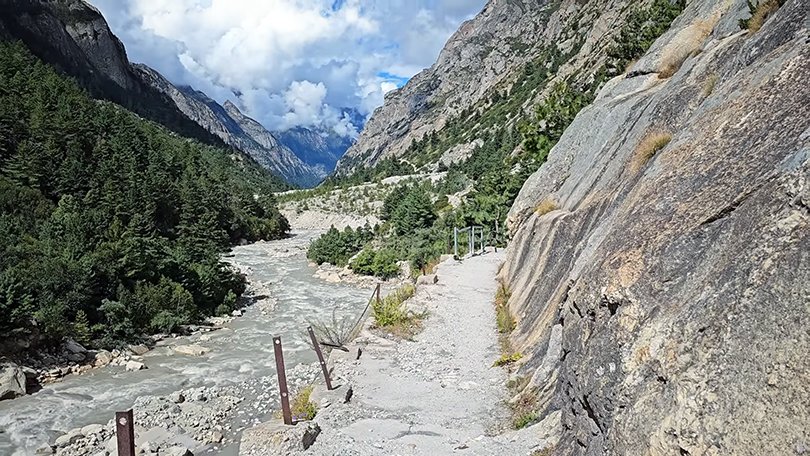
- Trek begins from the Gangotri Forest Gate
- Trail goes along the Bhagirathi River, with pine and birch trees
- Reach Chirbasa (“Abode of Pines”)—a beautiful campsite
- Settle in tents or pre-arranged camps
Day 3: Chirbasa to Bhojwasa (Approx. 5 km | 3-4 hours)/ चिरबासा से भोजवासा
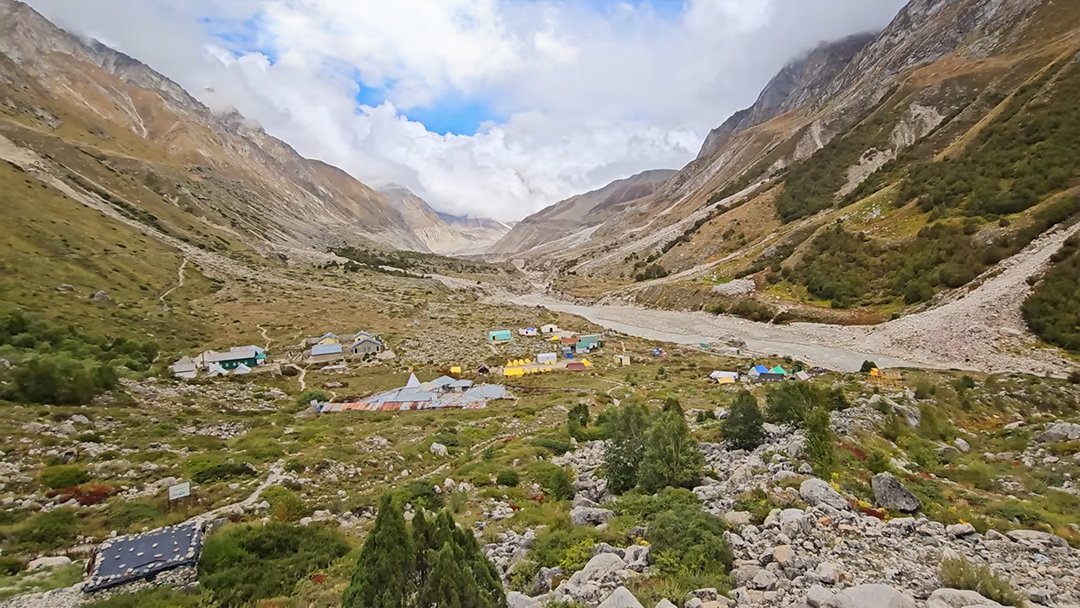
- Gradual trek with changing landscape
- Trees start thinning as you reach the vast open valley of Bhojwasa
- Accommodation options: GMVN Guest House / Lal Baba Ashram / Camps
- Spend the evening watching breathtaking views of Bhagirathi Peaks
Day 4: Bhojwasa to Gaumukh (Approx. 4 km) → Tapovan (Approx. 5 km | Total 7-8 hours)/ भोजवासा से गोमुख
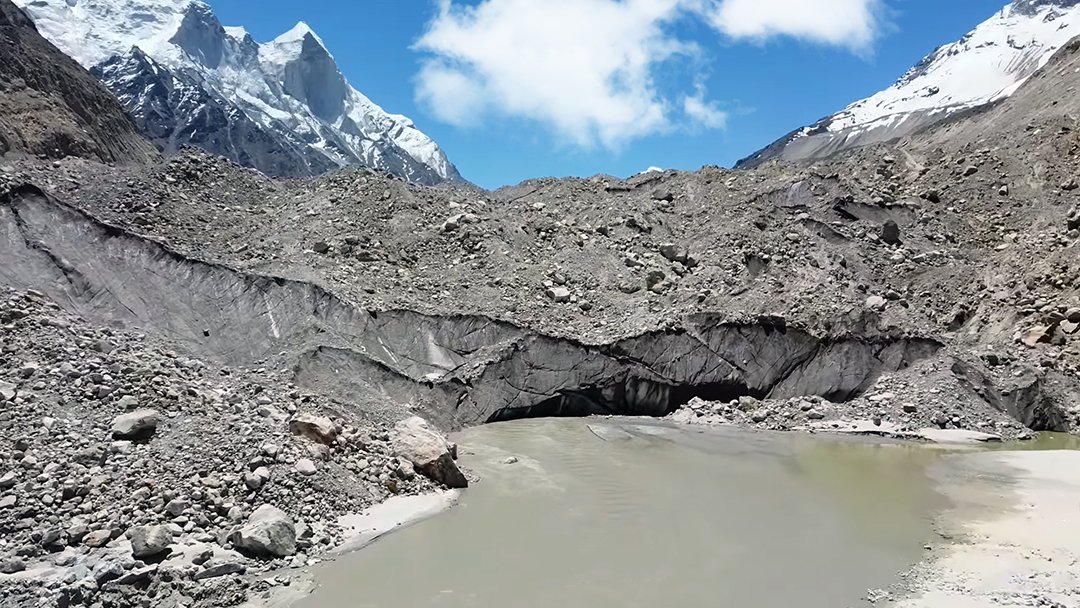
- Trek to Gaumukh Glacier, the official source of River Ganga
- Spend time at the holy snout of the glacier
- Continue ascent towards Tapovan, a steep and rocky climb
- Reach Tapovan Meadows, one of the most spectacular alpine campsites
- Enjoy panoramic views of Shivling Peak, Bhagirathi Sisters & Meru Peak
- Overnight camping under starry skies
Day 5: Exploration Day at Tapovan (Optional but Highly Recommended)/ तपोवन
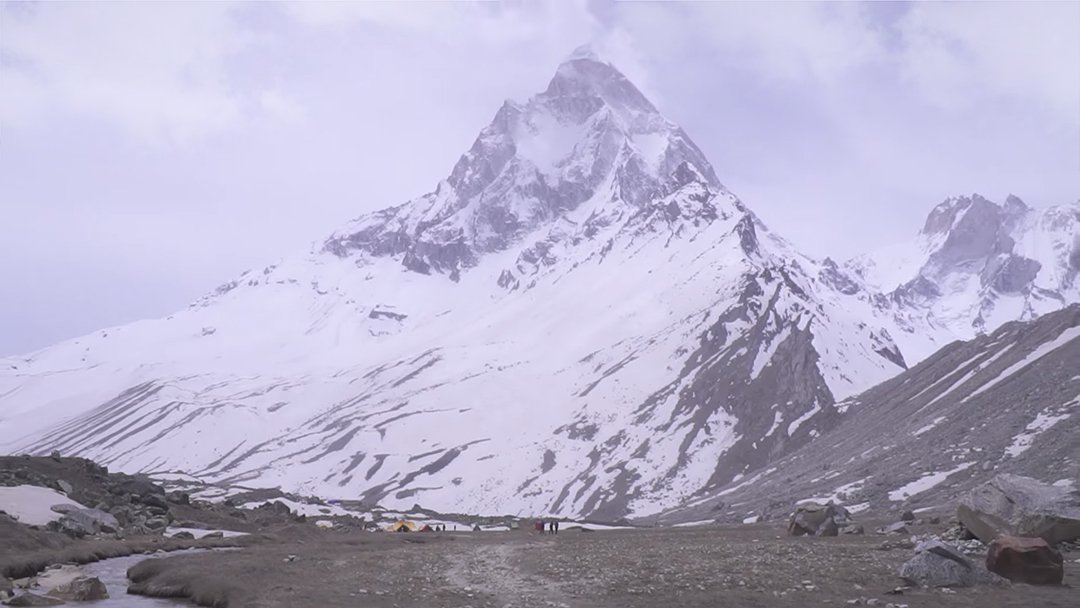
- Early morning sunrise over Shivling Peak is magical
- Explore flower-strewn meadows, crystal streams, and sadhus’ caves
- Perfect for photography, meditation, or short hikes to Neel Tal / Meru Base
- Overnight stay at Tapovan
Day 6: Tapovan to Bhojwasa (Approx. 12 km | 6-7 hours)/ तपोवन से भोजवासा
- Retrace your steps down to Gaumukh and then Bhojwasa
- Stay overnight in Guest House / Camps / Ashram
Day 7: Bhojwasa to Gangotri (Approx. 14 km | 6-8 hours)/ भोजवासा से गंगोत्री
- Final descent to Gangotri, marking the end of the trek
- Relax and stay overnight or continue onward to Uttarkashi / Dehradun
Food & Water Availability During the Gaumukh Tapovan Trek
Managing food and water properly is one of the most important parts of this Gaumukh–Tapovan route, especially since there are no restaurants or shops beyond Gangotri. Here’s what to expect:
Food Options on the Trek
Gangotri:
- You’ll find small restaurants, dhabas, and tea stalls offering simple North Indian meals like dal-rice, paratha, roti-sabzi, Maggi, pakoras and chai.
- Stock up on dry snacks, chocolates, energy bars, dry fruits, ORS, and glucose packets before starting the trek.
Bhojwasa:
- GMVN Guest House and Ashrams (like Lal Baba Ashram) provide basic vegetarian meals, usually dal-rice, roti, and sabzi.
- Tea, hot soup, and sometimes khichdi or porridge are available.
Gaumukh & Tapovan:
- No food stalls or kitchens here. You must carry your own meals or trek with an agency that provides cooked food.
- If trekking solo, bring ready-to-eat food packets, instant noodles, soup packets, and lightweight stove (optional).
Water Availability on the Trek
Gaumukh & Tapovan:
- Plenty of natural water sources along the Bhagirathi River. You can refill bottles easily.
- It’s recommended to use purification tablets or portable filters for safety.
Gangotri to Bhojwasa:
- Water is available from glacial streams. Though crystal clear, always filter or boil before drinking.
Quick Tips
- Carry two refillable water bottles instead of disposable plastic.
- Avoid cold drinks or junk food before trek—stick to light meals.
- Energy boosters like jaggery, chikki, dates, peanut bars, and dry fruits are great for quick refreshment.
- If trekking with porters or guides, confirm whether meals are included in the package.
With a little preparation, food and water won’t be a problem on the Gaumukh Tapovan trek—just stay hydrated, eat light, and enjoy the journey!
Accommodation Options on the Gaumukh Tapovan Route
Finding a place to stay during the Gaumukh Tapovan trek is not difficult, but it helps to plan a little in advance. Here’s a clear breakdown of accommodation options available before and during the trek:
Stay in Gangotri (Base Point)
Gangotri has plenty of budget guesthouses, lodges, GMVN tourist rest houses, and small dharamshalas. Most stays are simple but clean, with basic facilities like beds, blankets, hot water, and meals.
- GMVN Tourist Rest House (Government-run): Reliable stay option with dorms and private rooms. Book online via the GMVN website or offline on arrival.
- Budget Hotels & Guesthouses: Available near the temple area, ideal for short overnight stays.
- Dharamshalas: Run by trusts and temples; economical for solo trekkers or pilgrims.
Accommodation During the Trek
Once you leave Gangotri, there are no permanent hotels or lodges on the trekking route, so camping is the only stay option.
Bhojwasa (Approx. 14 km from Gangotri):
- GMVN Guest House: The only structured accommodation on the trail with rooms and dormitories. Limited availability—book early.
- Lal Baba Ashram & Other Ashrams: Offer basic bedding and food on donation basis.
- Private Tents / Operator Camps: If trekking with a guide or agency, they set up tents for you.
Gaumukh & Tapovan:
- Camping Only – No built structures. You must carry your own tent or book with an agency.
- Camping at Tapovan offers unmatched sunrise and starry night views beside the majestic Shivling Peak—a highlight of the trek!
Tips for Choosing the Best Stay
- Book Gangotri stay in advance during peak season (May–June & September–October).
- Carry good quality sleeping bags if camping above Bhojwasa—the nights are cold even in summer.
- Always follow eco-friendly practices while camping; no plastic dumping or loud music.
Whether you prefer basic rooms in Gangotri or tent stays under the stars in Tapovan, the journey offers a raw and real Himalayan experience. Your stay won’t be luxurious—but it will be memorable and soul-stirring, just like the trek itself.
Conclusion – A Journey of Adventure, Faith, and Himalayan Grandeur
If you are looking for a trek that offers raw adventure, breathtaking mountain views, and a deep spiritual connection, then this Gaumukh Tapovan trek should be all the assurance you need — this journey is absolutely worth it.
From walking beside the Bhagirathi River to standing at the sacred Gaumukh glacier, every step feels meaningful. Reaching Tapovan, camping under towering peaks like Shivling and Bhagirathi, and watching the sunrise paint the mountains gold is an experience that stays with you for life.
Unlike other treks that are only about scenery, the Gaumukh–Tapovan trek adds a sense of purpose and peace. It challenges your body, calms your mind, and awakens your inner explorer.
So if you’re planning your next Himalayan trekking adventure in Uttarakhand, this Gaumukh Tapovan trek guide deserves a top spot on your bucket list.
FAQs – Gaumukh Tapovan Trek Guide
What is the best time to go for the Gaumukh Tapovan trek?
The best time for the Gaumukh Tapovan trek is May to June and September to mid-October. These months offer clear skies, pleasant weather, and safe trail conditions.
How difficult is the Gaumukh Tapovan trek?
Gaumukh–Tapovan trek is considered a moderate to challenging trek due to steep climbs, rocky paths, and glacier crossings. Prior trekking experience or good fitness is recommended.
Is Gaumukh Tapovan trek allowed without guide in 2026? While permits may be issued, hiring a local guide is highly recommended for safety and compliance.
How many days are required for the Gaumukh Tapovan trek?
The trek typically takes 6 to 8 days, depending on your itinerary and acclimatization stops.
Is Gaumukh Tapovan trek open in 2026? Yes, the trek is open during May–June and September–October, subject to weather and forest permissions.
Do I need a permit for Gaumukh and Tapovan?
Yes, a permit from the Forest Department in Gangotri is mandatory as the trek falls under Gangotri National Park.
Can beginners do the Gaumukh glacier trek?
Beginners can attempt it with proper guidance, fitness, and a reliable Gaumukh Tapovan trek guide or tour operator.
Is camping allowed at Tapovan?
Yes! Tapovan camping is one of the main highlights of the trek, offering incredible views of Mt. Shivling and Bhagirathi peaks.
Is there mobile network or ATM available during the trek?
No mobile network works after 1 km from Gangotri, and there are no ATMs on the trekking route, so withdraw cash beforehand.
What is the total distance of the Gaumukh Tapovan trek?
The Gangotri to Gaumukh trek is around 18 km, and from Gaumukh to Tapovan is another 4-5 km, making the total distance approximately 22-23 km one way.
Can I do the Gaumukh Tapovan trek without a guide?
While solo trekking is technically allowed, most Gaumukh Tapovan trek guides recommend hiring a local guide or porter for safety, especially while crossing the Gaumukh glacier.
Are food and water available during the trek?
You can find basic food at Bhojwasa, but beyond that, you must carry your own meals and water purification tablets. Natural water sources are available on the way.
Is Gaumukh Tapovan trek suitable for senior citizens?
If they are physically fit and medically cleared, senior citizens with trekking experience can complete the trek under supervision.
What should I pack for the Gaumukh Tapovan trek?
Carry warm layers, trekking shoes, sunglasses, gloves, rain protection, walking pole, and a sturdy backpack. Refer to a complete Gaumukh Tapovan trek guide for a detailed packing list.
4 thoughts on “Gaumukh Tapovan Trek Guide (2026): Route, Permit, Best Time & Tapovan Camping | गौमुख तपोवन ट्रेक”
Comments are closed.