
![[FEATURED IMAGE HERE] Alt text: Haridwar Ganga view – sacred temples, ghats on the Ganga River, and spiritual atmosphere of Uttarakhand](https://intravelcrush.co.in/wp-content/uploads/2025/08/Haridwar-Travel-Guide-complete-info.jpg)
Updated January 2026 – temple timings, travel routes, festivals & tips refreshed
Haridwar Travel Guide – History, Significance & Travel Info
Haridwar, known as the Gateway to the Ganga, is one of the most sacred pilgrimage cities in India. Situated at an elevation of around 314 meters (1,030 feet) above sea level in the Shivalik foothills of Uttarakhand, it attracts millions of visitors every year who come to experience its spirituality, vibrant ghats, and cultural energy.
This Haridwar Travel Guide will help you explore everything about the city—from its ancient temples and ashrams to festivals, travel tips, and nearby attractions.
Haridwar is home to some of the most sacred Hindu shrines, and if you are planning a pilgrimage, don’t miss our complete guide to the best temples in Haridwar covering Mansa Devi, Chandi Devi, Maya Devi, and more.
Whether you wish to take a dip in the holy river, witness the world-famous Kumbh Mela, join the grand Kanwar Yatra, or simply enjoy the charm of local food and markets, Haridwar is a destination that leaves every visitor touched with its divine spirit.
Haridwar is counted among the seven holiest cities (Sapta Puri) in Hinduism and has been a center of pilgrimage for centuries. The very name “Haridwar” translates to the Gateway to God, as it serves as the starting point of the Char Dham Yatra – Badrinath, Kedarnath, Gangotri, and Yamunotri.
The city’s spiritual aura is heightened during the Kumbh Mela, recognized by UNESCO, which is held here every 12 years and draws millions of devotees from across the world.
Another major event is the Kanwar Yatra, held annually during the holy month of Shravan (July–August). During this time, lakhs of Kanwariyas (devotees of Lord Shiva) visit Haridwar to collect sacred Ganga water and carry it back to their hometowns, walking long distances barefoot.
The sight of saffron-clad pilgrims chanting “Bol Bam” while carrying decorated kanwars (pots of Ganga water) is an unforgettable experience and reflects Haridwar’s deep spiritual connection with Indian traditions.
According to mythology, drops of Amrit (nectar of immortality) fell at Har Ki Pauri during the Samudra Manthan, making it one of the most sacred ghats in India. This belief makes Haridwar a city where faith, culture, and history come alive together.
Haridwar offers a perfect blend of tradition, devotion, and unforgettable travel experiences, making it one of India’s most important pilgrimage destinations.
How to Reach Haridwar (Train, Road, Air)
- By Air:
- The nearest airport is Jolly Grant Airport, Dehradun (about 35 km from Haridwar).
- Regular flights connect it with Delhi, Mumbai, and other major cities.
- From the airport, you can hire a taxi or take a bus to Haridwar (around 45–60 minutes).
- By Train:
- Haridwar Junction (HW) is a major railway station with direct trains from Delhi, Varanasi, Kolkata, Mumbai, and Dehradun.
- Popular trains include Shatabdi Express, Jan Shatabdi, and Mussoorie Express.
- The station is close to the city center and well connected by auto-rickshaws and taxis.
- Train connectivity remains frequent in 2026 with daily services from Delhi and major cities.
- By Road:
- Haridwar is about 220 km from Delhi and lies on NH 58.
- Regular buses (Volvo, deluxe, state transport) run from Delhi, Dehradun, and Rishikesh.
- Taxis and self-drive cars are also good options for a road trip to Haridwar.
- Driving time from Delhi is around 5–6 hours, depending on traffic.
- Road conditions on NH-58 are well maintained as of 2026, but traffic increases during Kanwar Yatra.
Best Time to Visit Haridwar
October to March (Winter Season)
- Pleasant and cool weather (10°C–20°C).
- Best time for sightseeing, temple visits, and attending the Ganga Aarti.
- Ideal for travelers who prefer a peaceful and comfortable trip.
April to June (Summer Season)
- Warm to hot temperatures (25°C–40°C).
- Popular for pilgrims visiting temples and ghats.
- Carry light cotton clothes and stay hydrated during the day.
July to September (Monsoon Season)
- Heavy rainfall makes the ghats slippery and risky.
- Not ideal for general tourism, but this is when the Kanwar Yatra takes place, attracting millions of Lord Shiva devotees.
- Good for experiencing the cultural and devotional side of Haridwar if you don’t mind crowds.
Special Occasions
- Kumbh Mela (every 12 years) and Ardh Kumbh (every 6 years) are once-in-a-lifetime experiences, though extremely crowded.
In 2026, winter months (Oct–Feb) remain the most comfortable for pilgrims and tourists.
Why Visit Haridwar? Unique Facts That Make Haridwar Truly Special
- One of the Sapta Puri – Haridwar is counted among the seven holiest cities in Hinduism, making it a major pilgrimage destination.
- Gateway to God – The name “Haridwar” means Gateway to God, as it is the starting point of the Char Dham Yatra to Badrinath, Kedarnath, Gangotri, and Yamunotri.
- Sacred Amrit Drops – Mythology says drops of Amrit (nectar of immortality) fell at Har Ki Pauri during the Samudra Manthan, making it one of the four sacred Kumbh Mela cities.
- Har Ki Pauri’s Footprint – A stone wall at Har Ki Pauri is believed to carry the footprint of Lord Vishnu, making it a deeply revered spot for pilgrims.
- Kumbh Mela Glory – Every 12 years, Haridwar hosts the Kumbh Mela, the world’s largest human gathering, recognized by UNESCO as Intangible Cultural Heritage.
- Kanwar Yatra – The annual Kanwar Yatra is the world’s largest religious pilgrimage dedicated to Lord Shiva, where millions of Kanwariyas fetch holy Ganga water from Haridwar.
- Evening Ganga Aarti – The Ganga Aarti at Har Ki Pauri is a magical sight with thousands of diyas floating on the river, a spiritual experience like no other.
- Patanjali Yogpeeth – Haridwar is home to Patanjali Yogpeeth, one of the largest yoga and Ayurveda centers in the world.
- Ashram Culture – The city is dotted with peaceful ashrams like Shantikunj, Prem Nagar, and Anandamayi Ashram, ideal for yoga, meditation, and spiritual learning.
- Rajaji National Park – Located on the city’s edge, this park is home to elephants, leopards, tigers, and 400+ bird species, making it a paradise for nature lovers.
- Where Ganga Enters the Plains – Haridwar marks the point where the River Ganga leaves the Himalayas and flows into the plains of North India.
- Holy Dip in the Ganga – Pilgrims believe that a dip in the Ganga at Haridwar washes away sins and grants spiritual liberation (moksha).
- Street Food Heaven – Haridwar is as famous for its food as its faith – don’t miss aloo puri, kachoris, and jalebis at legendary shops like Mohan Ji Puri Wale.
Where to Stay in Haridwar
- Budget Hotels & Guesthouses: Plenty of affordable stays near Har Ki Pauri and the railway station, ideal for backpackers and budget travelers.
- Ashrams & Dharamshalas: Peaceful and spiritual stays like Shantikunj Ashram, Parmarth Ashram, and Prem Nagar Ashram, offering clean rooms and a serene environment.
- Mid-Range Hotels: Comfortable hotels around Rishikesh Road and Haridwar City Center, suitable for families and small groups.
- Luxury Resorts & Hotels: Premium stays near Rajaji National Park and outskirts of Haridwar, offering river views, spa, and modern facilities.
- Riverside Stays: Many hotels and guesthouses along the Ganga ghat area provide a beautiful view of the holy river and easy access to evening Ganga Aarti.
Haridwar offers a wide range of accommodation options, from budget hotels near Har Ki Pauri to comfortable mid-range stays and luxury riverside resorts. Explore our complete guide to the Best Hotels in Haridwar (Budget to Luxury) to choose the perfect stay for your trip.
Travel Tips for Haridwar
- Dress modestly while visiting temples and ghats – it’s a holy city, so respect local traditions.
- The evening Ganga Aarti at Har Ki Pauri gets very crowded – arrive at least 30–45 minutes early to get a good spot.
- If you plan to take a dip in the Ganga, stay close to the designated safe areas as the river current can be strong.
- Keep your belongings safe – pickpocketing can happen in crowded places during festivals.
- Try Haridwar’s local food like aloo puri, kachoris, and jalebis from the bazaars – it’s cheap, tasty, and authentic.
- Book your hotel or dharamshala in advance if you are visiting during Kumbh Mela, Ardh Kumbh, or Kanwar Yatra.
- Carry a refillable water bottle and wear comfortable walking shoes – you’ll be moving around a lot.
- Haridwar is a vegetarian city – alcohol and non-vegetarian food are not served, sold in the town.
- Combine your trip with Rishikesh (20 km away) for yoga, rafting, and adventure activities.
- Don’t miss the early morning atmosphere at Har Ki Pauri – peaceful chants, sunrise, and fewer crowds make it magical.
Enjoy the beauty of nature, think before you trash it.
प्रकृति की सुंदरता का आनंद लें, इसे कूड़ा करकट, नष्ट करने से पहले सोचें।
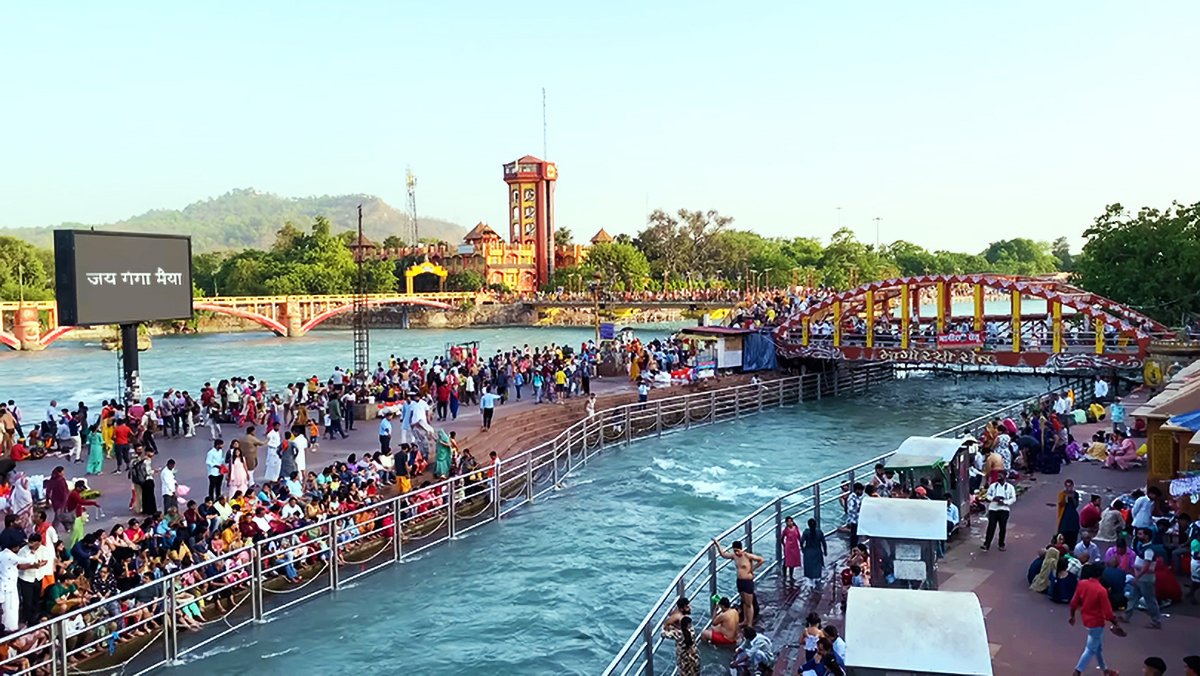
Best Places to Visit in Haridwar
Haridwar is a city where spirituality, history, nature, and culture come together beautifully. From sacred temples perched on hilltops to peaceful ashrams along the Ganga, vibrant ghats, scenic parks, and meaningful cultural experiences, the city offers something for every kind of traveler.
Whether you are a pilgrim seeking divine blessings, a spiritual seeker looking for inner peace, or a traveler exploring the cultural soul of Uttarakhand, these places showcase the true essence of Haridwar.
Below, you’ll find the most important attractions that make Haridwar a must-visit destination in India.
Famous Temples in Haridwar
Haridwar is famous for its ancient temples dedicated to Lord Shiva, Goddess Shakti, and Lord Vishnu. To explore detailed history, location, and travel tips for each shrine.
Read our complete guide to the Best Temples in Haridwar for timings, location, and travel tips.
Experience Spiritual Life at Haridwar Ashrams
Haridwar’s ashrams offer peace, meditation, yoga, and spiritual learning for seekers from around the world.
Explore the Top Ashrams in Haridwar for yoga retreats, meditation, and spiritual stays.
Things to Do in Haridwar
Looking to explore experiences beyond sightseeing? Discover the top things to do in Haridwar, including spiritual activities, festivals, food trails, shopping, and family-friendly attractions.
Explore Swami Vivekanand Park in Haridwar Travel Guide – Calm & Scenic Spot/ स्वामी विवेकानंद पार्क
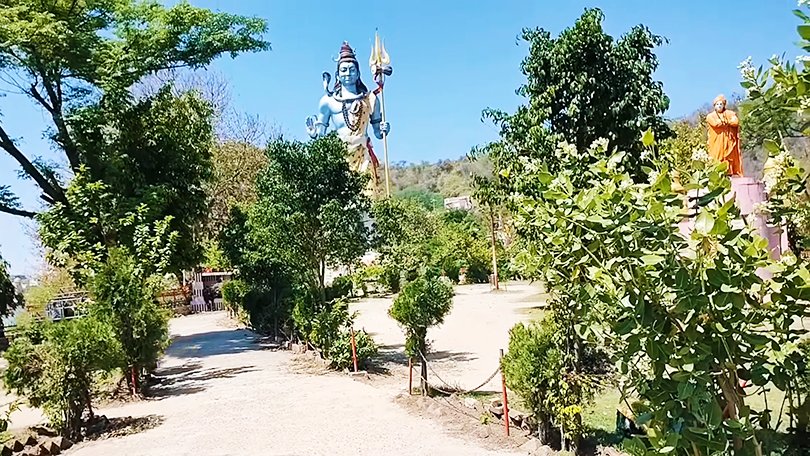
The Swami Vivekanand Park is one of the few open green spaces in Haridwar, offering a refreshing break from the busy ghats and crowded temples.
Located close to Har Ki Pauri, this park is dedicated to the great Indian philosopher and spiritual leader Swami Vivekananda, who inspired millions with his teachings on spirituality, self-realization, and service to humanity.
The park features well-maintained lawns, walking paths, and colorful flower beds, making it a peaceful spot for families, travelers, and pilgrims to relax.
A highlight of the park is the tall statue of Lord Shiva visible from a distance, which adds to its spiritual aura. Including Swami Vivekanand Park in your Haridwar Travel Guide is perfect for visitors looking to balance spirituality with calm leisure time in nature.
How to Reach:
- Swami Vivekanand Park is located near Har Ki Pauri and the Subhash Ghat area, about 2 km from Haridwar railway station, and is easily accessible by local transport.
- Autos, rickshaws, and taxis from Har Ki Pauri or railway station take about 10 minutes.
Interesting facts:
- Dedicated to Swami Vivekananda, a key figure in Indian spirituality and philosophy.
- Features a large Lord Shiva statue, one of the park’s main attractions.
- Offers well-kept gardens, pathways, and a calm atmosphere for visitors.
- Located close to Har Ki Pauri, making it easy to combine both visits.
- A favorite spot for morning walks, photography, and quiet family outings.
- Provides a rare touch of greenery and open space in the heart of Haridwar city.
Famous Ghats in Haridwar
Haridwar is famous for its sacred ghats along the River Ganga, each holding unique spiritual, historical, and ritual significance.
These ghats along the River Ganga form the spiritual backbone of Haridwar, where rituals, prayers, and daily life unfold on sacred riverbanks.
Har Ki Pauri Ghat – The Spiritual Heart of Haridwar/ हर की पौड़ी
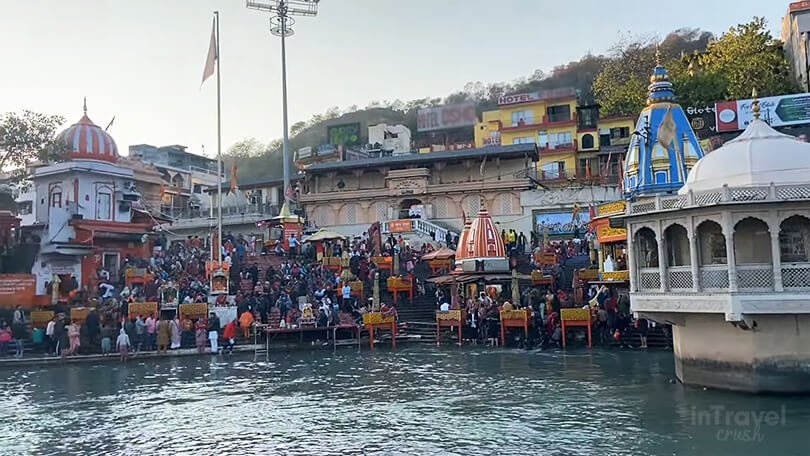
Har Ki Pauri is the most sacred and iconic ghat in Haridwar, believed to be the exact spot where drops of Amrit (nectar of immortality) fell during the Samudra Manthan. It is here that the River Ganga enters the plains, making it one of the holiest bathing places in India.
The ghat is famous for the evening Ganga Aarti, when priests perform rituals with flaming lamps and thousands of diyas float on the river, creating a deeply spiritual atmosphere. Pilgrims believe that taking a holy dip at Har Ki Pauri washes away sins and brings spiritual liberation (moksha).
Located in the heart of the city, Har Ki Pauri is a must-visit place for every traveler coming to Haridwar.
For a detailed spiritual experience, don’t miss the complete list of rituals and activities covered in our Things to Do in Haridwar guide.
Vishnu Ghat – A Peaceful Riverside Ghat in Haridwar/ विष्णु घाट
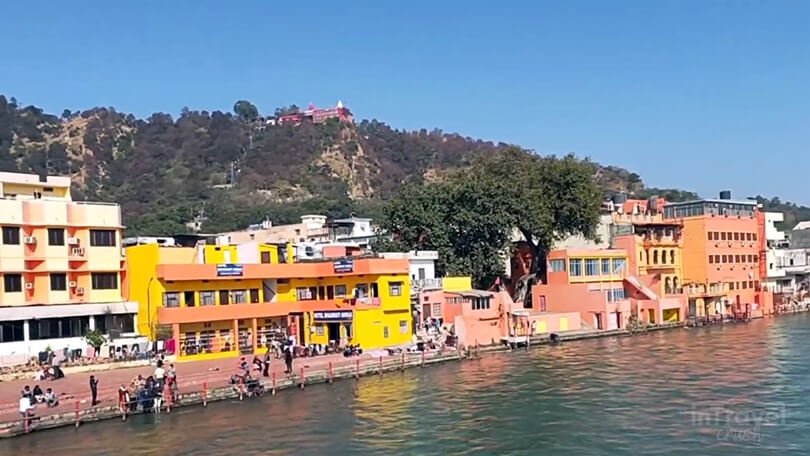
Vishnu Ghat is one of the oldest and most peaceful ghats in Haridwar, associated with Lord Vishnu. Unlike the crowded Har Ki Pauri, this ghat offers a calm and serene environment, making it ideal for quiet prayers, meditation, and ritual bathing.
Many pilgrims visit Vishnu Ghat to perform pind daan and ancestral rituals, as it is believed to be spiritually significant for such ceremonies. The gentle flow of the Ganga and fewer crowds make it a perfect spot for those seeking solitude and reflection.
Vishnu Ghat is located close to the city center and can be easily visited along with nearby temples and ashrams.
Subhash Ghat – A Calm Ghat Near Har Ki Pauri/ सुभाष घाट
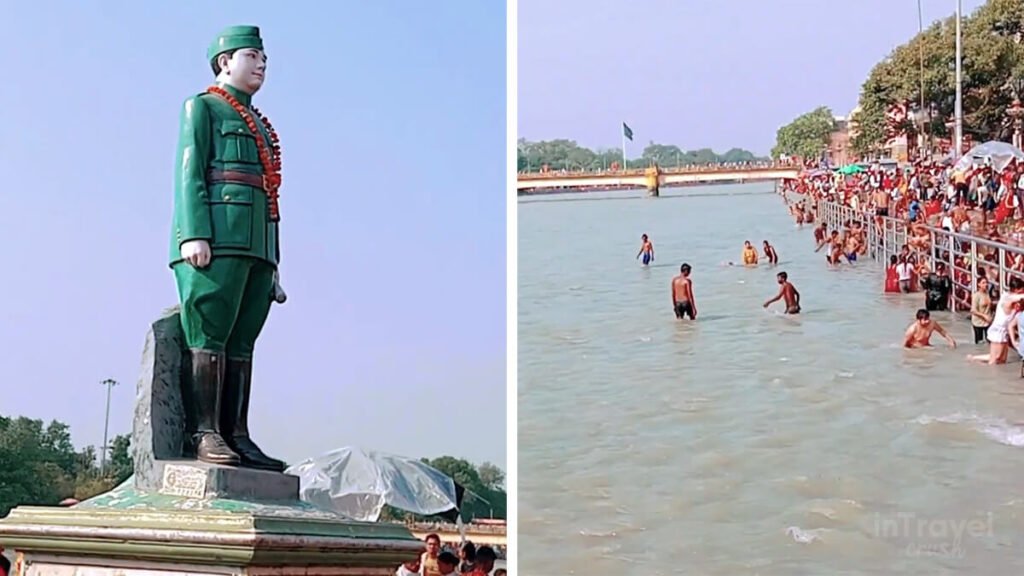
Subhash Ghat is a lesser-known but beautiful ghat situated near Har Ki Pauri. It is well known for its peaceful surroundings and scenic river views, making it a favorite spot for morning walks and quiet time by the Ganga.
This ghat is often less crowded, allowing visitors to experience the spiritual essence of Haridwar without the rush of major pilgrimage spots. During early mornings and evenings, the atmosphere here is especially soothing, with temple bells and chants echoing softly in the background.
Subhash Ghat is ideal for travelers who want to explore Haridwar beyond the main tourist crowds while staying close to the city’s spiritual core.
Gau Ghat – A Sacred Ritual Ghat in Haridwar / गौ घाट

Gau Ghat is one of the oldest and most spiritually significant ghats in Haridwar, especially associated with Hindu rituals and ceremonies. The name “Gau” (cow) reflects its sacred connection, as the cow is considered holy in Hinduism.
This ghat is commonly used for pind daan, ancestral rituals, and holy baths, making it an important place for devotees performing religious rites for their forefathers. Compared to Har Ki Pauri, Gau Ghat is relatively less crowded, offering a more focused and peaceful spiritual environment.
Located near the city center, Gau Ghat holds deep religious importance and is often visited by pilgrims seeking a quieter and more traditional ritual experience along the holy River Ganga.
Kankhal Ghat – Also Known as Sati Ghat, A Sacred Riverside Spot / कनखल घाट
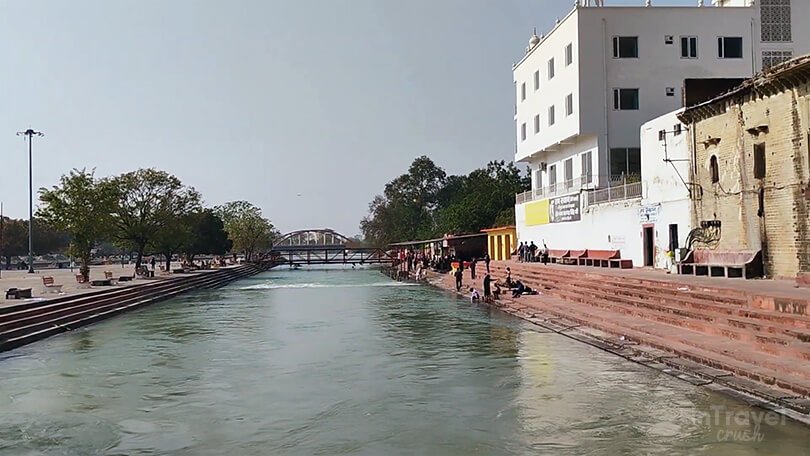
Kankhal Ghat, also known as Sati Ghat, is located in the historic town of Kankhal, one of the oldest and most spiritually significant areas near Haridwar. This ghat is closely associated with the famous Daksheshwar Mahadev Temple, making it an important pilgrimage site.
According to Hindu mythology, Kankhal is linked to the legend of Goddess Sati, who sacrificed herself during the yajna of King Daksha. Because of this sacred association, Kankhal Ghat is widely referred to as Sati Ghat, and devotees believe that taking a holy dip here brings spiritual purification and blessings.
Compared to the busy ghats of central Haridwar, Kankhal Ghat offers a calm and peaceful riverside atmosphere, ideal for prayer, ritual bathing, and quiet reflection. Pilgrims often visit this ghat before or after darshan at Daksheshwar Mahadev Temple to complete their spiritual journey.
Together, these sacred ghats showcase the spiritual soul of Haridwar and offer visitors a deeper connection with the holy River Ganga.
Nearby Places to Visit from Haridwar
Exploring Haridwar is a soulful experience, but the places around the city are equally fascinating. From hill stations to sacred towns, you can plan short getaways that add more charm to your journey.
- Rishikesh (20 km | 40 min) – Known as the “Yoga Capital of the World,” Rishikesh offers adventure activities like river rafting, bungee jumping, and serene spots like Laxman Jhula and Triveni Ghat.
- Dehradun (55 km | 1.5 hrs) – The capital of Uttarakhand, famous for Robber’s Cave, Sahastradhara, Tapkeshwar Temple, and colonial-era charm.
- Mussoorie (85 km | 2.5 hrs) – The “Queen of Hills,” a beautiful hill station perfect for a refreshing mountain escape with attractions like Kempty Falls and Mall Road.
- Piran Kaliyar Sharif (25 km | 40 min, near Roorkee) – A famous dargah of Hazrat Alauddin Ali Ahmed Sabir Kalyari, revered by both Hindus and Muslims for its spiritual significance.
- Lansdowne (110 km | 3.5 hrs) – A peaceful cantonment hill town, perfect for those seeking quietude, pine forests, and mountain views.
FAQs – Haridwar Travel Guide
Why is Haridwar famous?
Haridwar is one of the holiest cities in India, known for the sacred River Ganga, evening Ganga Aarti at Har Ki Pauri, and being the gateway to the Char Dham Yatra.
What is the best time to visit Haridwar?
October to March is the best time when the weather is pleasant. However, festivals like Kumbh Mela, Kanwar Yatra, and Diwali are also popular times to visit.
How many days are enough to explore Haridwar?
1 to 2 days are enough to cover Haridwar’s major attractions. If you also plan to visit Rishikesh or nearby hill stations, 3–4 days are recommended.
What is the meaning of Haridwar?
The word “Haridwar” means Gateway to God — “Hari” refers to Lord Vishnu, and “Dwar” means gateway.
Which is the most famous ghat in Haridwar?
Har Ki Pauri is the most famous ghat, believed to be the spot where Lord Vishnu left his footprint and where Amrit (nectar) fell during Samudra Manthan.
Is Haridwar safe for tourists?
Yes, Haridwar is generally safe for pilgrims and tourists. However, during large gatherings like Kumbh Mela and Kanwar Yatra, you should stay cautious in crowds.
How to reach Haridwar?
Haridwar is well-connected by road, rail, and air. The nearest airport is Jolly Grant Airport (Dehradun), 35 km away. Haridwar also has a major railway station with trains from Delhi, Mumbai, and other cities.
What are the top things to do in Haridwar?
Attend the evening Ganga Aarti, take a holy dip in the Ganga, visit Mansa Devi & Chandi Devi temples, explore ashrams, try local street food, and shop in Bara Bazaar.
Can I visit Haridwar and Rishikesh together?
Yes, Rishikesh is only 20 km from Haridwar, and both can be covered in a single trip.
Which temples are a must-visit in Haridwar?
Mansa Devi Temple, Chandi Devi Temple, Daksha Mahadev Temple (Kankhal), and Bharat Mata Mandir are among the most popular.
What should I wear in Haridwar?
Modest and comfortable clothing is recommended. Light cottons in summer and woolens in winter. Since it’s a holy city, avoid revealing clothes.
Is photography allowed at Har Ki Pauri and temples?
Photography is generally allowed at ghats and in public areas, but it’s better to avoid taking pictures during rituals inside temples.
What is special about Haridwar street food?
Haridwar is famous for aloo puri, kachoris, jalebi, and sweets like rasgullas and pedas. Shops like Mohan Ji Puri Wale are legendary.
Where can I stay in Haridwar?
From budget hotels and guesthouses to luxury resorts and Dharamshalas near ghats, Haridwar offers a wide range of accommodations.
Is a holy dip in the Ganga safe?
Yes, it’s safe at designated ghats like Har Ki Pauri. However, the current can be strong, so avoid deep waters and always stay near guards.
What is the difference between Haridwar and Har Ki Pauri?
Haridwar is the city, while Har Ki Pauri is its most famous ghat, considered the spiritual heart of Haridwar.
What festivals are celebrated in Haridwar?
Kumbh Mela (every 12 years), Ardh Kumbh (every 6 years), Kanwar Yatra, Diwali, Holi, and Makar Sankranti are major festivals.
Can I do yoga or meditation in Haridwar?
Yes, many ashrams like Shantikunj, Prem Nagar, and Anandamayi Ashram offer yoga, meditation, and spiritual retreats.
What can I shop for in Haridwar?
You can buy Rudraksha beads, religious idols, Ayurvedic products, sweets, and handicrafts from local markets like Bara Bazaar and Moti Bazaar.
Is Haridwar crowded in 2026?
Yes, especially during Kanwar Yatra and festivals. Visit early mornings for a peaceful experience.
Is Haridwar suitable for senior citizens?
Yes, but choose hotels near ghats and avoid peak festival days.
Disclosure: This article may contain affiliate links. If you book through these links in the future, we may earn a small commission at no extra cost to you.
13 thoughts on “Haridwar Travel Guide (2026): Best Places to Visit, Temples & Travel Tips | हरिद्वार”
Comments are closed.